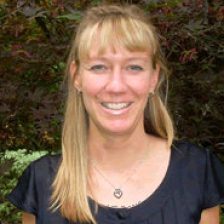

Robin Vinge

Naturopathic Medicine

water
  • Welcome
  • About Dr. Vinge
  • Corporate Wellness
  • Multiple Sclerosis
  • Anorexia Nervosa
  • Naturopathic Medicine
  • Robin’s Nest Membership Club
  • First Visit
  • Book
  • Testimonials
  • Contact
  • Blog

Powered by Genesis

Living with MS and the Balancing Act It is

March 17, 2016 By Robin Vinge

I believe that I have had MS since age 20 as many of you who read my blog posts already know. Of course, I only knew that in hindsight when I was carbo-loading for a marathon and overdid it on gluten pasta. Having MS has been a great lesson in finding my balance and all the factors that can take away from my balance or add to it. This has been of great value to me and it is a constant reworking, reevaluating, searching, and refining to find my best balance in the midst of a chronic dis-ease. This is helpful for the reader and this is why I bring this up.

We have an incredibly kind winter this year; some would say it is a non winter. With unusually warm temperatures and dry roads which are unheard of at this time of year, I have started doing a little running. It feels incredible to me. I am not in good shape but just moving my body feels amazing to me. I was an athlete for most of my life and it brings me joy to exercise.  My legs feel strong, solid and coordinated. I have not felt this good in years.

I think part of the reason for this is I am eating so much more plant based protein. I even did a talk March 9th on a plant based diet and how it benefits health. The more I read research about the benefits of reducing meat protein and how it is related to greater longevity, I realize my recent refinement has added value. The benefits of reducing meat help so much with the total quantity of saturated fat ingested in one day. Meat has a lot of saturated fat- any animal based protein does, including seafood. This message really hits home and I am constantly aware of the balancing act required with regards to saturated fat intake.

I am aware that even a single meal that is higher in saturated fat will throw my balance off. Last night, I cooked scallops in coconut oil along with cherry tomatoes, papaya, and other veggies. Well, it was delicious, but it threw me off today. Coconut oil is high in saturated fat; I don’t usually saute with it and scallops are quite rich.My brain felt sluggish today; I could not focus and get things done. I made minor mistakes all day, which added up to me feeling out of balance. I knew right away why I was off. So I ate very low fat for the entire day and by the end of the day I was feeling that my brain function was coming back. I could avert a flare, by my reorientation towards better balance.

As you become more and more in tune with your body, and your individual sensitivity level, you will know the subtle clues that alert you of what to do, to regain your balance. You can live and even thrive with MS. It is possible. Start to believe it! It just requires some discipline. I wish you all optimal health. Much love, Robin

Filed Under: health, Robin Vinge

Treating Yeast Overgrowth

February 4, 2016 By Robin Vinge

Yeast is a unicellular organism that colonizes the human body. Because Candida albicans  is an opportunistic pathogen, it can overgrow and contribute to dysbiosis (a microbial imbalance in the body). Factors that can predispose to yeast overgrowth include use of birth control pills, cortisone or steroid type drugs that are inhaled or taken internally, and antibiotic use. I automatically check for yeast when I check for food allergies in my patients if I suspect it to be a contributing cause to ill health. Some signs and symptoms of yeast overgrowth include poor concentration, lack of focus, depression, anxiety, bloating, weight gain, vagitinis, diarrhea, constipation and prostatitis. Chronic fatigue, hormonal imbalance and sinusitus are often found with a yeast problem as is the association of more serious diseases including cancer and autoimmune disease.

Because yeast thrives and feeds off of sugar and simple carbohydrates, following a yeast free diet is imperative. Yeast diets are restrictive for a reason. Yeast is a very resilient organism and its food sources must be completely eliminated so the yeast will not have a hospitable environment in which to grow in. Eliminating sugar and all simple carbohydrates is a must. Flour is out so no baked goods or pasta are allowed. Fruit must be greatly minimized-one low sugar fruit daily may be tolerated but no juice for some time can be included. Dairy is eliminated because of the milk sugar content (lactose). Nuts and seeds are eliminated that can harbor yeast as are mushrooms. No tea- black, white or green are recommended initially when you treat yeast. What does one eat on a diet so restrictive? A whole foods diet- whole grains can be included but not the flour of the grain, grass fed organic meat, free range organic poultry, or wild sources of seafood are allowed, plenty of vegetables the more non-starchy the better. As one starts to treat the yeast with antimicrobials, the diet can expand a little more.

Antimicrobials that I like to treat yeast with include oregano, cloves, ginger, wormwood, garlic and cinnamon. Gemmotherapies including Juglans nigra and Ficus carica can re-establish the inner ecology of the gut while weeding out the ‘bad organisms’. Supplements like caprylic acid can support suppression of harmful microorganisms. Pau D’arco tea is an antimicrobial tea that is supportive to treat yeast. Once treatment has been in place for a short time, beneficial probiotic organisms can be introduced into the system. I use a range of probiotics to reestablish proper gut flora. In addition, I recommend consuming nutritional prebiotics in the diet-consume asparagus, artichoke root, carrot root, cabbage, beet to support the healthy flora. Fermented foods like kim chi, miso, raw sauerkraut, coconut kefir and tempeh make the gut do its happy dance.

Lastly. Biotherapeutic drainage can drain intercellular toxins contributing to dysbiosis- liver support in the form of Unda 1, 20 and 243 is supportive as is Unda 3,39, 50 which establishes proper ecology in the intestines. This is a brief introduction on treating yeast. Please book an appointment if you want to talk yeast, test for yeast or treat for yeast 4032321283. Until next time, be well!

Filed Under: health, Robin Vinge

Nutritional interventions that can support healthy breasts and reduce risk of cancer

January 12, 2016 By Robin Vinge

Many of my patients have relatives that have died of breast cancer. Many of my patients also live with fibrocystic breast disease. They ask me what to eat to reduce risk and get healthier? I have been reading a recently released book that I highly recommend . All the info that I write about here in this post comes from the book- the title of this nutritional powerhouse is called “How Not to Die” and it is written by Michael Greger, M.D. the founder of a fabulous website: nutritionfacts.org.

Recommendations to reduce risk of breast cancer include limiting alcohol. If you drink, keep it to an absolute minimum and make it red wine or better yet skip the alcohol and drink purple grape juice or eat purple grapes with seeds. Eat mostly plant foods- have one tablespoon of ground flaxseed daily which can help reduce precancerous changes in breast tissue cells. Other beneficial plant foods to consume include broccoli sprouts (recommended 1/4 cup daily), increase broccoli (the ultimate detox veggie) and increase organic collard consumption.  25 grams + of fiber may reduce risk in general so the more plant foods you include, especially soluble fiber, the better. The ingestion of strawberries, pomegranate, and white mushrooms may suppress a cancer promoting enzyme.

Phyto-estrogens in the form of organic soy whole foods appear to increase survival rates and reduce risk. Choose whole soybeans like edamame or a cup of organic soy milk to get you started. Stay away from processed soy like fake meats and junk food. Move away from consuming so much animal meat protein and embrace more plant protein like beans and legumes which when combined with a whole grain like brown rice make a healthier meal. Complete plant proteins include buckwheat, soy and quinoa.

Sleep in a dark room to increase your exposure to melatonin which can reduce risk. Use dark blinds or even a sleeping mask to drown out the city lights. Embrace a regular sleeping routine- 10 pm to 6 am versus taking on shift work which is disruptive and more health negating.To sleep better and reduce risk further don’t forget to exercise daily. Walk a moderate pace for an hour. Regular exercise is the key to sleeping better. You will fall asleep easier and stay asleep for longer.

Drink more green tea for a slight reduction in risk. Every little thing that you do helps,  if you are mindfully aware that food is, in fact, medicine. That knowledge helps you make empowered choices to support your health every day!

To read further and find the research related to these claims- pick up “How Not To Die” by Michael Gregor, M.D. Until next time, be well.

Filed Under: health, Robin Vinge

  • « Previous Page
  • 1
  • …
  • 37
  • 38
  • 39
  • 40
  • 41
  • …
  • 73
  • Next Page »