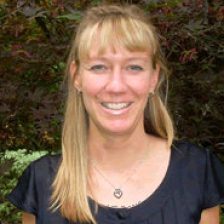

Robin Vinge

Naturopathic Medicine

water
  • Welcome
  • About Dr. Vinge
  • Corporate Wellness
  • Multiple Sclerosis
  • Anorexia Nervosa
  • Naturopathic Medicine
  • Robin’s Nest Membership Club
  • First Visit
  • Book
  • Testimonials
  • Contact
  • Blog

Powered by Genesis

A Re-set for the New Year on all Things Health Related

December 31, 2020 By Robin Vinge

I am big on setting intentions for the New Year and know how hard it can be to stay consistent with things when life and the pandemic get in the way! A new year does offer you a chance to reset and reconnect with what is important to you on all things health related. Being that my job is practicing as a naturopathic doctor, I do highly value health but there is things we can all improve upon so I ask you these questions. What is the first thing that you could stand to improve with regards to your health? Choose the first thing that comes to mind. For me, that is drinking more water. In fact, I am going to drink two big glasses of water when I first get up.  That way I start the day with more hydration. This I need to be a habit, so I intend to do this for 21 days; then it will be automatic! 

For my corporate clients who are working from home, I am wondering if they are cooking more healthy meals versus going out to eat as in house restaurant services are restricted at the moment. Choosing to eat healthier may be a goal of yours so let’s keep it simple. Can you get more colors of the rainbow into your day of food intake? I think roygbiv (I remember this from early schooling and look for a color for each letter).

R is for red. Pomegranates are an amazing food full of antioxidants and polyphenols that help protect your heart and blood vessels from plaque and buildup. Can you incorporate a pomegranate piece or juice into your diet today? Only 2 oz are required for the benefits.  

O is for orange. Can you add an orange vegetable into your diet? How about a sweet potato? You can bake sweet potato fries which are a tasty snack. Sweet potatoes are high in Vitamin A which is important for the health of your eyes. What about a yellow vegetable? You could incorporate a butternut squash homemade soup for lunch or have a piece of baked acorn squash for your dinner today. More Vitamin A for you and betacarotene for your eye health.

Next letter is green. This is one of my favorite vegetable categories. I think dark leafy green vegetables are the most energizing food you can eat. Make it organic for the dirty dozen fruits and vegetables but choose kale, spinach, collards, or dark leaf lettuce to increase your intake of magnesium and fuel your mitochondria. Blend in a smoothie with some fruit like kiwi or banana and half  a lemon or perhaps steam a serving for your buddha bowl for your dinner meal. 

B is for blue and the first food I think of is wild blueberries. This is the berry family which is so good for your cognitive function and to preserve your brain. Throw a cup in your dinner salad to mix it up tonight. 

Next is indigo and violet colors of the rainbow. These foods are a little harder to pin down but black beans will fit the bill for indigo. This is a vegetable protein so incorporate some black beans into your breakfast today to keep your blood sugar balanced longer.

The violet color can be incorporated with some eggplant in your diet. Eggplant is good for protecting the fat in the brain from damage so for all my MS clients make sure you get some eggplant in your diet. You could make an eggplant dip from a recipe for Baba Ganoush. I will start posting some cooking videos soon so I will add this to my list of things to cook for my patients.

So by starting with a simple goal of getting the rainbow into your diet today. This is a great goal and a reset for the New Year. To book in with me to discuss your health goals for the New Year, call Parallel Wellness at 4032321283. Kind regards, Dr. Robin VInge, ND

Reference: www.whfoods.com

Filed Under: Robin Vinge

Some Strategies to Manage Anxiety

November 25, 2020 By Robin Vinge

Right now, we are dealing with a lot of uncertainty not to mention a global pandemic. Uncertainty around the current economy, concern about family members who are aging and in care homes, and an underlying feeling of anxiety plague many at this time. I have talked about breathing to regulate the parasympathetic nervous system in past posts so I am going to focus on supplemental support to balance the nervous system in this post.

Ways of managing or approaching a patient that has anxiety include activating the GABA ergic system. GABA is considered the ‘relaxation’ neurotransmitter. GABA 700 is one of the products I use to promote GABA. Passionflower also  works on GABAergic pathways. It provides calming action on the synapse and activates the GABA B receptor which makes is non addictive. It calms without being sedating. This allows one to maintain focus despite being anxious.  Pascoflair is the product I use to treat patients.

Lactobacillus acidophilus and Bifidobacterium bifidum have been shown to be helpful in reducing anxiety. Ensuring you are promoting more good bacteria by eating a healthy low glycemic Mediterranean Diet can support a better mental state.

Homeopathy can be very helpful to reduce anxiety too. For instance, Arsenicum album dosed low, say 5 ch, Monday, Wednesday and Friday is very helpful to balance a nervous temperament. Other remedies that I use for anxiety and sensitivity include Ignation, Phosphorus, Pulsatilla, and Staphysagria. Come in and talk to be about your particular anxiety and I will find a remedy that matches you which will help you cope better in your life!

Activating the serotoninergic pathway and deactivating the catecholamine response can help with anxiety. In this case, I might choose to use Neuropas which has a combination of St. John’s wort, Valerian and Passionflower. This product can help patients reduce or get off with their doctor’s permission, their prescription medication. Other nutrients that can help with anxiety include magnesium glycinate and taurine. L-theanine is one of my favorite nutrients to reduce anxiety especially if the patient has too much excitation in their brain courtesy of glutamate (an excitatory neurotransmitter). For more pointed advice regarding your anxiety, I advise booking an appointment with me at Parallel Wellness. Until next time, stay well.  4032321283

Filed Under: Robin Vinge

Information from The Alzheimer’s The Science of Prevention

September 29, 2020 By Robin Vinge

I try to do as many free summits as I can and this one took place in the last month. I thought I would share a summary of the notes that I made. Exercise is so important in prevention of Alzheimer’s. It improves insulin sensitivity, increases BDNF (growth hormone for your brain), creates new neurons in the brain, encourages neural connections and protects neurons. It increases feel good neurotransmitters, encourages the quality and duration of your sleep. Exercise improves blood flow to the brain and can even fend off genetic mutations that contribute to delayed onset of negative changes in an aging brain. Exercise reduces inflammation and activates gene programs to suppress inflammation. Do what you enjoy in terms of your exercise and aim for 150 minutes a week.

Dysbiosis in the microbiome affects your balance in terms of brain function. Gluten can negatively affect brain function and is one food that can contribute to inflammation. It is best to avoid foods that also provoke inflammation- high fat and high sugar. High fiber especially from plants -fruits, vegetables, nuts, seeds, omega 3 fatty acids (flax seeds ground, chia seeds), legumes (if tolerated) encourages the growth of good bacteria. Eat lots of dark leafy greens and cruciferous vegetables.  Prebiotic fiber is whatever microbes can metabolize and use for their own energy requirements, such as inulin, artichokes, garlic, leeks, onions, asparagus, dandelon greens; these foods support healthy brain function. Probiotic foods found in fermented foods (vegetables, kim chi, kombucha, sauerkraut, unsweetened yogurt) can also be beneficial to eat. Eat a diet low in refined carbohydrates (flour products) and even better, eliminate processed carbohydrates and sugar. 

Eat a diet that is organic for the dirty dozen list at least (see environmental working group for the latest list) and if you eat non-organic stick to the clean green list. Avoid using herbicides and chemicals in your house to clean. Eat non-GMO foods. Avoid artificial sweeteners which disrupt the microbiome and make you prone to gain weight. Stop diet sodas to avoid migraines. Avoid toxins in creams, lotions, makeup. Be aware that your skin is your largest organ and will absorb whatever you are rubbing into it. Get outside at least 20 minutes without sunscreen from 10 am to 2 pm if possible to make Vitamin D when the sun is still warming.

Reduce your stress and get more sleep. Get at least 7 to 9 hours of sleep. Sleep in a dark, quiet, cool room. Meditation daily can increase stem cells in the brain, repair the brain and grow the hippocampus. Get connected to nature and community to activate your parasympathetic nervous system. Engage your brain by listening to music, doing x-word puzzles, taking a new route to work. Playing with pets, breathing exercises, random acts of kindness, intimacy, and cultivatng healthy relationships can be beneficial to maintaining balance as can massage and yoga.

In terms of supplements, I recommend coming in for a consultation. Often, B vitamins, DHA from an algal or fish source 9which will also supply EPA), curcumin, krill or Vitamin D may be chosen as supportive nutrients. Tests can be done like homocysteine, methylmalonic acid, and other functional labs to have more pointed information on supplementation. To book in with me, call Parallel Wellness at 403-232-1283

Reference: The Alzheimer’s Science of Prevention Summit 2020

Filed Under: Robin Vinge

  • « Previous Page
  • 1
  • …
  • 23
  • 24
  • 25
  • 26
  • 27
  • …
  • 73
  • Next Page »