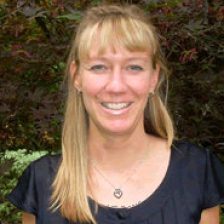

I am really grateful that I can live in balance with MS. I talked to my Mom today and she asked me how I am feeling. I said I am feeling great. I am in stable remission and it is because I take such good care of myself. I went for lunch with my sister a couple of weeks ago and I was saying how good it feels to be in stable remission to her. I know how I feel and how much energy I have. I walk to work and back when I have clients. That is 25 minutes each way in the winter with ice and snow to contend with. I have had bad flares in the past so I also know how it feels to be sick. Staying well is much easier when I do a few things. I avoid sugar like the plague. I have a dairy free dark chocolate square for a treat. I know that I must be perfect with my diet to be able to work full time. The other most important factor is that I eat a diet low in saturated fat. I keep my saturated fat under 25 grams/day. Even eating one meal that is higher in saturated fat can set you back so do not cheat with fast food or tempura! I eat a vegan diet that is flexible. If my partner cooks chicken, turkey or clean fish I will eat it. I try to eat as many vegetables as possible (7-8) servings to improve mood! Iexercise every day at least 30 minutes daily and I have added some free weights to my regime to help preserve my bone density. It is harder in the winter months because of the darkness but just know we are approaching winter solstice on December 21/2022 and the light will start to return with a more optimistic outlook accompanying it. Have a great November! I have an Emotional Freedom Technique and counseling special for $99 for the hour. Come in and see me at Parallel Wellness! 4032321283
Why I love using Unda’s for acute conditions like cold, fever, sore throats, etc
I love being certified in Biotherapeutic Drainage. It is a type of specialty where the underlying goal is to support physiology while gently eliminating toxins. It is my most effective medicine when treating acute conditions which are very prevalent right now due to the time of year. It is not suppressive medicine which conventional medicine largely is, rather it treats the cause and works on supporting systems in your body to create optimal health. I spent the last two days transferring some of my biotherapeutic drainage notes that I have done on webinars over the years so they are in one place- my computer. I was entering a lot of notes on treating pediatric conditions so it was a review of that for me. One common option that is seen in North America is treating a fever with Tylenol in western medicine. I use Unda 2 and Unda 15 to treat a fever- it is highly effective in treating a fever and helping the temperature come down in an acute situation. There are other single homeopathic medicines for acutes that work well. Belladonna 9 ch is a good remedy to have on hand in the winter if you have kids. You can take five pellets if your child has a fever that is on the high side. Take the dose every 20 minutes for three times to see if you can get some relief. Unda’s are combination homeopathic medicines that originate in Europe. They have a long tradition of use and they are highly effective. One of my favorite sets to use in patients that are catching a cold is Unda 2, 15, 5, 710. Typically five drops six times a day is utilized in an acute condition. This set has saved me from catching a cold numerous times. I would way rather prevent a cold then treat one that has set in. Unda medicines are easy to tolerate and do not have negative side effects. They open your emunctories so you can safely eliminate toxins from your body. Another favorite set to have on hand is Unda 2, 37, 312, 15- this is very effective for treating sore throats in the winter. If you are interested in options for highly effective medicine, this cold and flu season, make an appointment with me at Parallel Wellness in downtown Calgary, Alberta. Be well, Dr. Robin Vinge, ND
Notes on NonAlcoholic Fatty Liver Disease from Plant Based Nutrition Conference 2022
I thought I should post my notes taken from the Plant Based Nutrition Conference on NonAlcoholic Fatty Liver Disease. This is a huge problem in our North American culture. Hana Kahleova, MD, PhD, MBA gave this lecture in September 2022. When fat exceeds 5 % of the liver you are diagnosed with fatty liver disease. 1 in 3 people in the US have fatty liver. The # 1 factor is weight management. Sugar sweetened beverages increase the risk of developing a fatty liver; having 1 cup a week increases the risk by 14%. Having 1-6 cups/ week increases the risk by 26%; >7 cups/week increases risk by 53%. Fatty liver develops because of the extra calories consumed not the sugar itself or the fructose but the extra calories consumed from sugar sweetened beverages. It is associated with gut dysbiosis. Fructose increases NAFLD because of extra calories. It is entirely reversible by lifestyle. NASH is not reversible. Saturated fat increases NAFLD more than sugar or fructose.
Intermittent fasting can help prevent chronic disease by influencing the microbiome, decreasing body weight, decreasing liver enzymes AST and ALT. Periodic fasting even one day a month can help. Or doing five days fasting per month. You could do water only or veg/fruit juice- 500 calories a day. Fasting for 8.5 days decreased liver fat by 30%. Time restricted eating involves 16 hours of fasting. 6 hour eating window is the sweet spot. People that ate 2 meals/day vs 6 meals/day- decreased fasting plasma glucose, decreased fatty liver disease by 21%, decreased c-peptide, depression improved, hunger improved.
Vegan diet decreases liver fat 39%; increases the thermic effect of food by 14%. In conclusion, you can prevent NAFLD by weight management. Saturated fat increases fatty liver by more than sugar or fructose. Diet and exercise decrease body weight and decrease AST. Intermittent fasting can prevent and treat chronic disease including cancer, diabetes, cardiovascular disease, obesity; intermittent fasting has profound effects on our metabolism, fat and glucose metabolism and influences our microbiome. IF reduces body weight , AST and ALT. Keto diets can increase lipids and liver enzymes. Fasting one day/month can decrease liver fat and reduce Covid mortality.
Low fat Vegan diets increase energy expenditure. Increases the thermic effect (the amount of energy that you release from the body in terms of heat). Eating 2 meals/day better than 6 meals/day to increase insulin sensitivity; fatty liver decreases. Plant based eating is magic in terms of lowering oxidative stress. The spice ginger reduces oxidative stress and reduces liver fat. The spices turmeric and black cumin seed reduce oxidative stress and liver fat. Eating a vegan diet- the quality is high. Plant based diets decrease liver fat by 34% in 6 weeks. Plant based diets address root causes of NAFLD by addressing insulin resistance, obesity, hyperlipidemia and inflammatory cytokines. Eating more beans, lentils, and peas in your diet is a start. To learn more about eating a plant based diet, please book an appointment with me at Parallel Wellness. Kind regards, Dr. Vinge 4032321283
Reference: Lecture given by Hana Kahleova, MD, PhD, MBA at the Plant Based Nutrition Conference in Palm Springs, California September 2022
- « Previous Page
- 1
- …
- 15
- 16
- 17
- 18
- 19
- …
- 73
- Next Page »